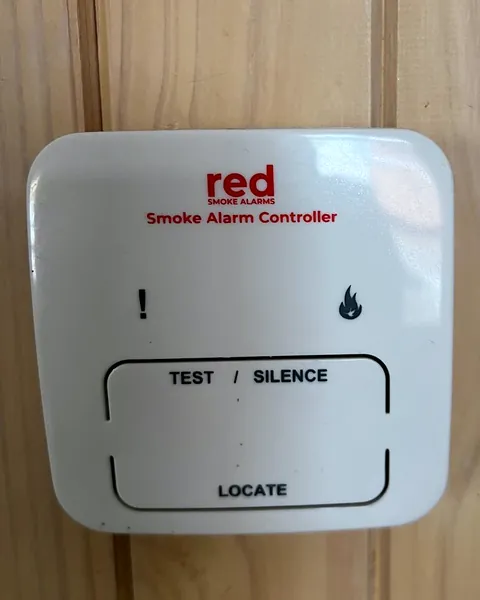
What our smoke alarm service covers
We check every smoke alarm in the home against the South Australian rules for its build date, test each one, and replace any that are missing, faulty, past their replace-by date or the wrong type for the property. Where the home needs hardwired alarms, or the owner wants them interconnected, we supply and install them. The hardwired work is done by our licensed electrical contractor, who issues the electronic Certificate of Compliance for the work.
You get a short report listing each alarm’s location, type, test result and replace-by date. Landlords and property managers can keep it with the tenancy records.
The South Australian rules by build date
South Australia’s smoke alarm rules depend on when the home was built and whether it has changed hands.
| Situation | What the home needs |
|---|---|
| Built before 1 January 1995 | At least a battery-powered smoke alarm |
| Built from 1 January 1995 | 240 V hardwired smoke alarms |
| New dwellings from 1 May 2014 | Hardwired alarms, interconnected |
| Sold or transferred since 1 February 1998 | Hardwired or 10-year non-removable battery alarms, fitted within 6 months |
Fines of up to $750 apply under the sale and transfer rule. The sources are the MFS smoke alarm legislation fact sheet and the SA.GOV.AU smoke alarms page.
Buying or selling a home
When a home is sold or ownership is transferred, there are 6 months to fit hardwired smoke alarms or 10-year non-removable battery alarms. This rule has applied since 1 February 1998. If you have just bought a home, book a check soon after settlement so you know whether the existing alarms meet the rule, and so any upgrade is done well inside the 6 months.
A 10-year non-removable battery alarm can be a practical option for an older home where running new cabling is difficult. A hardwired alarm needs a registered electrical worker, so ours are fitted by our licensed electrical contractor. We explain both options in your quote.
Rental properties
SA.GOV.AU states that “all rental properties must have a working smoke alarm installed.” Landlords and property managers should check the alarms at every routine inspection, and book a technician for any that fail.
For property managers with many properties, every property gets its own report you can keep on file. Ask us about putting the whole portfolio on one schedule and how access is booked with tenants.
Our guide to smoke alarm rules for SA landlords covers the rental rules in more detail, and our landlords and property managers page covers the other fire safety items in a rental.
Hardwired smoke alarms
Hardwired alarms run on 240 V mains power, usually with a backup battery. They have been required in new homes in South Australia since 1 January 1995. Hardwired work must be done by a registered electrical worker, who issues an electronic Certificate of Compliance for the work. Keep that certificate with your property records.
Interconnected smoke alarms
Interconnected alarms are linked, so when one alarm detects smoke, every alarm in the home sounds. They have been required in new dwellings since 1 May 2014. In an older home, interconnecting the alarms is not always required, but it means people asleep at the far end of the house hear the alarm sooner. Interconnection can be wired or wireless, depending on the alarms.
Testing and replacing smoke alarms
Between visits, press the test button on each alarm as the manufacturer’s instructions describe. Replace any alarm that doesn’t sound, is past the replace-by date printed on it, or keeps chirping after a new battery. Don’t paint over an alarm or cover it during renovations.
We replace like for like where the existing alarm meets the rules, or upgrade to hardwired or 10-year battery alarms where it doesn’t.
SDA homes and residents with hearing loss
The SDA Design Standard requires smoke alarms in bedrooms and living areas, and NCC fire safety for the dwelling’s building class. For residents who are deaf or hard of hearing, MFS recommends strobe or vibrating alarms. Our SDA and NDIS fire safety page covers the full move-in package.
Commercial buildings
Offices, warehouses, aged care and apartment buildings with a fire panel use a fire detection and alarm system, not household smoke alarms. See our fire alarm and detection testing page.
Standards and service frequency in SA
| Equipment | How often | Standard | SA source |
|---|---|---|---|
| Homes built before 1 January 1995 | At least a battery-powered smoke alarm | SA smoke alarm rules | MFS, SA.GOV.AU |
| Homes built from 1 January 1995 | Hardwired 240 V smoke alarms | SA smoke alarm rules | MFS, SA.GOV.AU |
| New dwellings from 1 May 2014 | Interconnected smoke alarms | SA smoke alarm rules | MFS, SA.GOV.AU |
| Homes sold or transferred (since 1 February 1998) | Within 6 months, hardwired or 10-year non-removable battery alarms. Fines up to $750 | SA smoke alarm rules | MFS, SA.GOV.AU |
| Rental properties | A working smoke alarm at all times. Check at routine inspections | SA residential tenancy guidance | SA.GOV.AU renting |
| Hardwired smoke alarm work | Every installation or replacement | Registered electrical worker, with an electronic Certificate of Compliance | SA.GOV.AU, Office of the Technical Regulator (OTR) |
Who this is for
- HomesWe help Adelaide households with the fire safety that matters most at home: working smoke alarms that meet the SA rules for your home's age, a fire blanket in the kitchen and the right extinguisher.
- Landlords and property managersWe test, replace and certify smoke alarms in Adelaide rental properties, and give you a compliance certificate for every property we check.
- SDA and NDIS homesWe set up and maintain the fire safety in Specialist Disability Accommodation (SDA) and supported independent living (SIL) homes across Adelaide, from fire risk assessments and the move-in package to 6-monthly servicing and audit-ready records.
- Strata and apartmentsWe maintain the fire safety systems on the common property of Adelaide strata and community title buildings and supply the records the corporation needs for its annual Form 3.
Certificates and reporting
Every visit ends with a written report listing each item tested, its location and result, and anything that needs attention. Building owners use it as the maintenance record behind their annual Form 3. We are qualified and authorised to carry out fire safety maintenance and sign off SA council ESP Form 2 and Form 3 maintenance documentation.
Ask us for a sample report if you want to see the format before you book.
Who does the work
- FPAS Recognised BusinessFire Protection Accreditation Scheme
- FPA Australia Bronze MemberFire Protection Association Australia
- Engineers AustraliaMember of the national body for engineers
- CBS PGE fire plumbing licenceConsumer and Business Services SA
- Licensed for electrical test and tagAS/NZS 3760 testing


All licences and certificates are held by suitably qualified personnel, and we are fully insured.
What customers say about our smoke alarms work
VD Fire Safety and Electrical Company is highly recommended for its compliance services. The staff expertly installed industrial-grade extinguishers and blankets, as well as conducted installation and testing of equipment. They also ensured proper inspection and testing of exit/emergency lights and smoke alarms.
Additionally, the company provided valuable assistance in completing the ESP Certificate Form-3 and facilitated the submission process to the council.
I would highly recommend their services.
I recently used this company for fire safety and electrical compliance services and was highly satisfied. They provided high-quality fire extinguishers, blankets, and hose reels, ensuring proper installation and maintenance. Their electrical test and tag service was thorough, and exit/emergency lights were well-inspected. Smoke detectors were correctly installed and tested.
Professional, efficient, and fully compliant with safety standards. Highly recommended!