What our fire alarm service covers
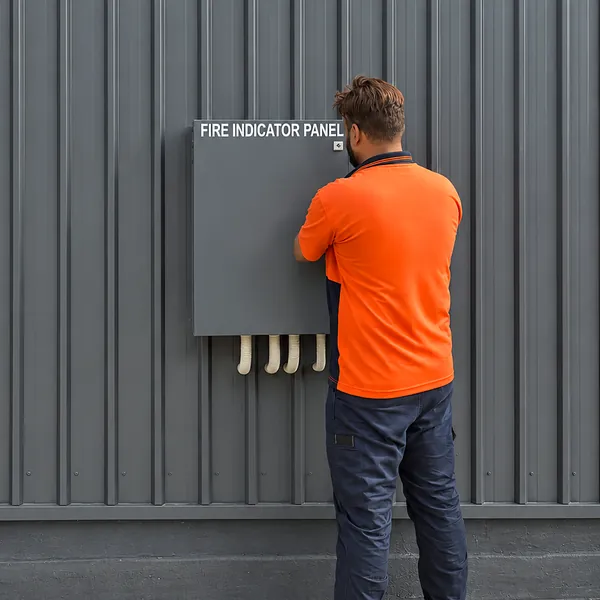
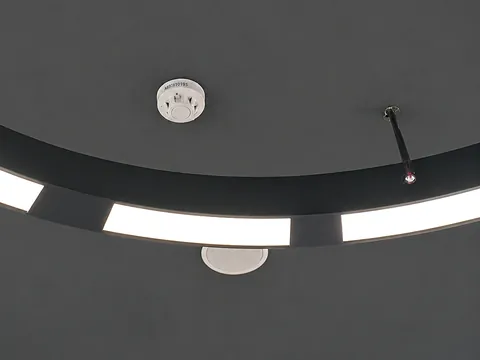
A fire detection and alarm system is only as good as its weakest detector. Our technician inspects the fire indicator panel, checks for faults and isolations, tests the standby batteries and confirms the panel’s zone or device list matches the building. Detectors, manual call points and alarm sounders are tested on the schedule AS 1851-2012 sets, and we check that nothing has been covered, painted or blocked since the last visit.
Each visit is recorded in your logbook and in a written report listing what was tested, the results and any faults, isolations or devices that need replacing. Building owners use that record as the maintenance evidence behind their annual Form 3.
Fire alarm and detection system installation
We install fire detection and alarm systems for new buildings, fit-outs and changes of use, including fire indicator panels, smoke and heat detectors, manual call points and alarm sounders. We work from the building’s approval and its Form 1 schedule so the system matches what the building is required to have.
The electrical parts of an installation, such as wiring and power to the panel, are carried out by our licensed electrical contractor. Before a new building is occupied, the installer signs a Form 2 for the essential safety provisions it installed, and we are authorised to sign off ESP Form 2 documentation. Once the system is running, we can maintain it on the same schedule as your other essential safety provisions.
Installation is quoted per project. Send us the plans, the approval documents and any existing system details, and call 08 8151 1040 to talk it through.
Service intervals explained
South Australia’s MBS 002 (version 3, May 2023) calls up AS 1851-2012, and its detection and alarm routines run from monthly to 5-yearly. We set up a schedule that covers every routine for your system and record each visit for your Form 3.
Monitored systems and unwanted alarms
Many commercial systems are monitored, so an alarm is passed on to the fire brigade automatically. That is the point of the system, but it also means a careless test or a faulty detector can bring a fire truck to your door and empty the building. Before testing a monitored system we arrange isolation with your monitoring provider and agree timing with you, and we put the system back to normal before we leave.
If your building has repeated unwanted alarms, tell us. Common causes include a detector in the wrong place, dust, steam from a kitchen or bathroom, insects, or a device near the end of its life. Ask us about tracking down the cause.
Fire alarm systems and smoke alarms are different
This page covers commercial detection and alarm systems run from a fire indicator panel, the kind found in offices, warehouses, aged care, schools and apartment buildings. Homes and most rentals use standalone or interconnected smoke alarms instead, under separate South Australian rules based on when the home was built and when it last changed hands. For those, see our smoke alarm installation and testing page.
Aged care and residential care
Class 9c aged care buildings need sprinklers throughout and smoke detection connected to monitoring. Aged care providers also need emergency plans that are regularly tested under outcome 2.10 of the Strengthened Quality Standards. We maintain the detection side, coordinate testing with your monitoring provider, and can service sprinklers, emergency lighting and extinguishers on the same plan.
Fire alarms and your Form 3
If your building lodges a Form 3, the owner signs it each year to confirm the essential safety provisions have been maintained, and lodges it with council within 60 business days after the end of each calendar year. We supply the maintenance records behind it and sign the contractor section. Councils cite $750 expiations for not lodging or not maintaining, and up to $10,000 if prosecuted. Small buildings exempt from lodging a Form 3 must still maintain their essential safety provisions.
Between services
Most problems with detection systems start between services. A few habits help:
- Don’t cover, bag or paint detectors. If building works create dust or smoke, ask us to arrange an isolation first, and make sure it is removed when the work stops.
- Tell us before a fit-out, new walls or a change of use. Detector types and positions may need to change.
- Don’t silence or isolate the panel and leave it that way. Call us if a fault or isolation won’t clear.
- Keep the area around the fire indicator panel and manual call points clear.
- Keep your logbook near the panel so each visit and any fault can be recorded.
Booking your first service
Send us your Form 1 schedule of essential safety provisions, your last service reports or logbook, and your monitoring provider’s details. Tell us who can give access to plant rooms, ceiling spaces and locked areas, and when sounders can operate with the least disruption. Call 08 8151 1040 to book.
Who we service
We service detection systems in offices, warehouses, factories, schools, aged care and healthcare buildings, shops and strata complexes across Adelaide. Tell us the make and model of your fire panel when you book.
Standards and service frequency in SA
| Equipment | How often | Standard | SA source |
|---|---|---|---|
| Fire detection and alarm systems | Monthly to 5-yearly routines | AS 1851-2012 | MBS 002 v3 (SA) |
| Class 9c aged care buildings | Smoke detection connected to monitoring, plus sprinklers throughout | NCC 2022 E1D10 | NCC |
Who this is for
- Commercial officesWe service the fire safety systems in Adelaide offices and commercial buildings, from extinguishers and exit lights to alarms and fire doors, and supply the records behind the owner's Form 3.
- Industrial and warehousesWe service the fire safety systems in Adelaide warehouses, factories and industrial sites, from extinguishers and hose reels to hydrants, sprinklers and exit lights, and test and tag the equipment on the floor.
- Aged careWe install and maintain the fire safety systems in Adelaide's Class 9c aged care homes, from sprinklers and monitored smoke detection to exit lighting, fire doors and extinguishers, and supply the records behind your Form 3.
- Strata and apartmentsWe maintain the fire safety systems on the common property of Adelaide strata and community title buildings and supply the records the corporation needs for its annual Form 3.
- Schools and childcareWe service the fire safety equipment in Adelaide schools, kindergartens and childcare centres, and help services prepare for the evacuation rehearsals they must run.
- Healthcare and medicalWe service the fire safety systems in Adelaide medical centres, dental and allied health clinics and other healthcare buildings, and supply the records behind the owner's Form 3.
- Hospitality and retailWe service the fire safety equipment in Adelaide restaurants, cafés, pubs and shops, from wet chemical extinguishers and fire blankets in the kitchen to exit lights and test and tag.
Certificates and reporting
Every visit ends with a written report listing each item tested, its location and result, and anything that needs attention. Building owners use it as the maintenance record behind their annual Form 3. We are qualified and authorised to carry out fire safety maintenance and sign off SA council ESP Form 2 and Form 3 maintenance documentation.
Ask us for a sample report if you want to see the format before you book.
Who does the work
- FPAS Recognised BusinessFire Protection Accreditation Scheme
- FPA Australia Bronze MemberFire Protection Association Australia
- Engineers AustraliaMember of the national body for engineers
- CBS PGE fire plumbing licenceConsumer and Business Services SA
- Licensed for electrical test and tagAS/NZS 3760 testing


All licences and certificates are held by suitably qualified personnel, and we are fully insured.