Interconnected smoke alarms are linked together, by wires or by radio, so that when one alarm detects smoke, they all sound. South Australia has required them in new homes since 1 May 2014, and the MFS recommends interconnection in every home with more than one alarm, whatever its age.
What are interconnected smoke alarms and why do they matter?
A smoke alarm can only wake you if you hear it. A fire that starts in a lounge room or a bedroom at the other end of the house may set off the nearest alarm well before smoke reaches the hallway outside your room. With interconnection, the alarm closest to the fire sets off every other alarm in the house, so everyone hears the warning at the same time.
That’s why the MFS links its placement advice to interconnection. It recommends extra alarms inside bedrooms if you sleep with the doors closed, interconnected with the hallway alarms. In a home with two or more storeys, alarms should be on each level, and the MFS recommends they be interconnected. Homes with ducted air conditioning may also need additional interconnected alarms.
Do smoke alarms have to be interconnected in South Australia?
In new homes, yes. The MFS smoke alarm legislation fact sheet sets out the rule.
- From 1 May 2014, smoke alarms must be interconnected in all new Class 1 dwellings (houses, townhouses, villa units and the like), in sole-occupancy units of Class 2 and 3 buildings such as apartments, and in Class 4 parts of buildings, such as a flat in a shop or office building.
- Extensions and additions approved from 1 May 2014 that need more than one smoke alarm must have those alarms interconnected. They don’t have to be interconnected with the alarms in the original house.
- Later extensions must interconnect with the alarms in any extension approved after 1 May 2014.
Homes approved before 1 May 2014 don’t have to be upgraded to interconnected alarms. They still need the alarm type that applies to their build date and sale history. Since 1 January 1995, new homes have needed 240 V hardwired alarms (SA.GOV.AU). The MFS recommends interconnection regardless of when the house was built.
Hardwired or wireless interconnection?
The MFS says alarms can be interconnected by wires in the ceiling space or wirelessly. Both photoelectric and ionisation alarms come in interconnectable versions.
Hardwired interconnection uses a cable run between 240 V alarms through the ceiling space. Installing it is electrical work for a licensed electrician.
Wireless interconnection uses a radio link built into the alarm, or into a base the alarm sits on. It suits homes where running new cables through the ceiling would be difficult. Wireless alarms come as sealed 10-year battery alarms, which a householder can fit by following the instructions, and as hardwired alarms, which need an electrician.
A few points apply to both.
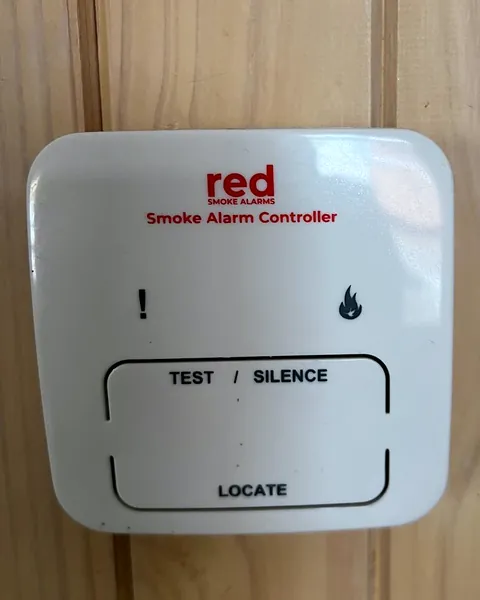
- Check compatibility. Interconnection only works between compatible alarms, and some makers say their alarms won’t link with other brands (Red).
- House code wireless alarms. Some radio linked alarms join any compatible alarm in range until they are coded to your home, so a neighbour’s alarm could set yours off (Brooks).
- Keep hardwired homes hardwired. If your home needs hardwired alarms by law, wireless battery alarms can add protection, but they don’t replace the hardwired ones.
Do rentals and homes for sale need interconnected alarms?
The rules for rentals and sales set the type of alarm, and only some homes need interconnection.
Rentals. “All rental properties must have a working smoke alarm installed” (SA.GOV.AU), and landlords should check alarms at routine inspections. A rental home approved since 1 May 2014 must have interconnected alarms like any other new home. For older rentals the law doesn’t require interconnection, but it’s worth considering when the alarms reach the end of their 10-year life. Our guide to smoke alarm rules for SA landlords covers the full set of rules, and our landlords and property managers page explains how we work with portfolios.
Sales. Since 1 February 1998, a new owner has 6 months from the title transfer to fit alarms that are hardwired to the 240 V supply or powered by 10-year sealed batteries. The sale rule doesn’t mention interconnection.
Interstate rules are different. If you’ve read that every home needs interconnected alarms, that’s Queensland, where all homes must have interconnected photoelectric alarms by 1 January 2027 (Queensland Government). It doesn’t apply in South Australia.
How do you test interconnected smoke alarms?
Press and hold the test button on one alarm. Every interconnected alarm should sound (MFS). Repeat from a different alarm now and then, so you know each one can trigger the others.
The MFS suggests a monthly button test, cleaning at least every 6 months, and a yearly check that the interconnection works (servicing schedule). If one alarm stays silent when another is tested, have the system checked. If an alarm is chirping rather than sounding, see why a smoke alarm beeps or chirps.
VD Fire & Electrical tests interconnected alarms as part of annual smoke alarm testing (from $89 + GST per property), and new hardwired or interconnected alarms are fitted by our licensed electrical contractor.